


By J. H. Irwin
Author | Content Creator | Humanitarian Voice | Pro-Democracy, LGBTQ+ & Human Rights Advocate
LGBTQ+ people are too often discussed only as victims or political abstractions. This article exists to correct that imbalance. What follows is a record of courage. These are moments when LGBTQ+ individuals acted decisively, selflessly, and at great personal risk. Their heroism is not symbolic. It is real, documented, and undeniable.
In times of crisis, society often reveals who it truly values. Too frequently, LGBTQ+ people are cast as peripheral, fragile, or controversial. Rarely are they acknowledged as protectors, leaders, or heroes. History, however, tells a very different story.
Again and again, LGBTQ+ individuals have stepped forward in moments of extreme danger, not because they were trying to make a statement, but because someone needed to act.
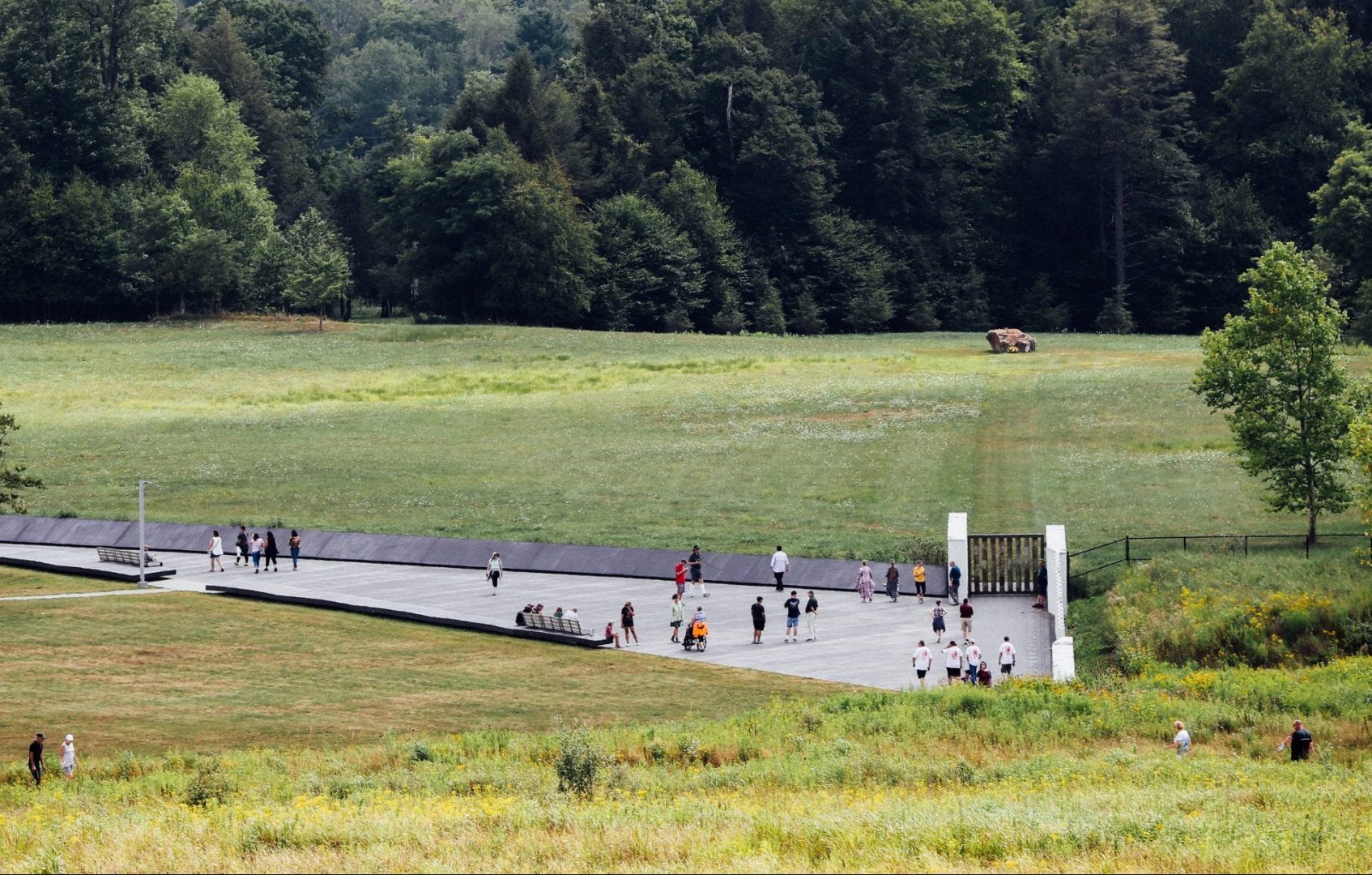
On September 11, 2001, Mark Bingham, a gay man and former rugby player, was aboard United Airlines Flight 93. After learning that other hijacked planes had been turned into weapons, Bingham and fellow passengers made a collective decision to fight back. Their actions forced the plane down into a field in Pennsylvania, preventing it from reaching its intended target. None survived. Thousands lived because they acted. Bingham’s courage permanently dismantles the myth that strength, resolve, or bravery belong to only one kind of man.
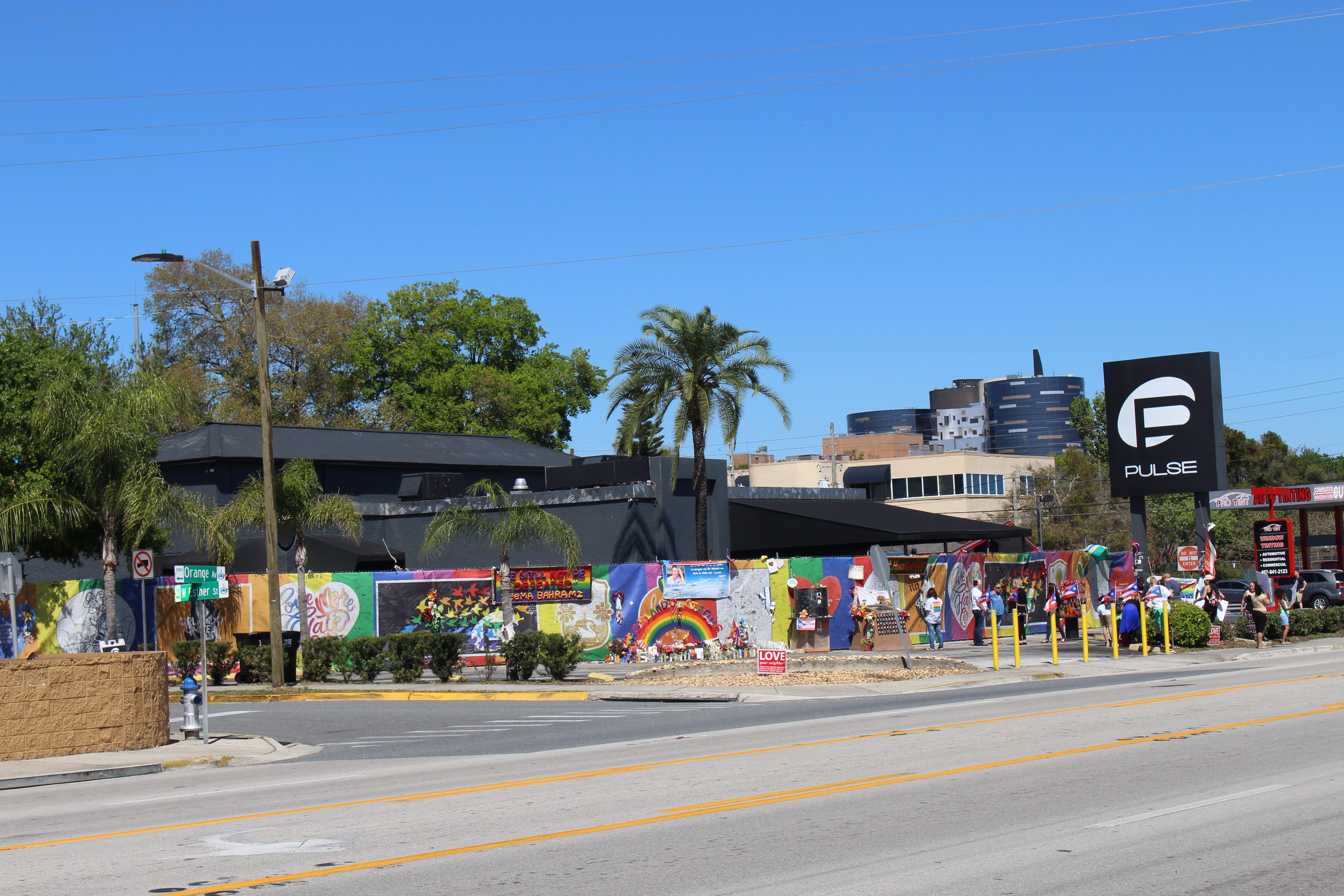
Heroism does not always come with national headlines. In 2018, during the mass shooting at the Pulse nightclub in Orlando, Brandon Wolf, a survivor, did not retreat into silence. Instead, he transformed trauma into advocacy, becoming a leading voice for gun safety and LGBTQ+ protection. His courage has been ongoing, measured not in seconds of danger, but in years of persistence under public scrutiny and threat.
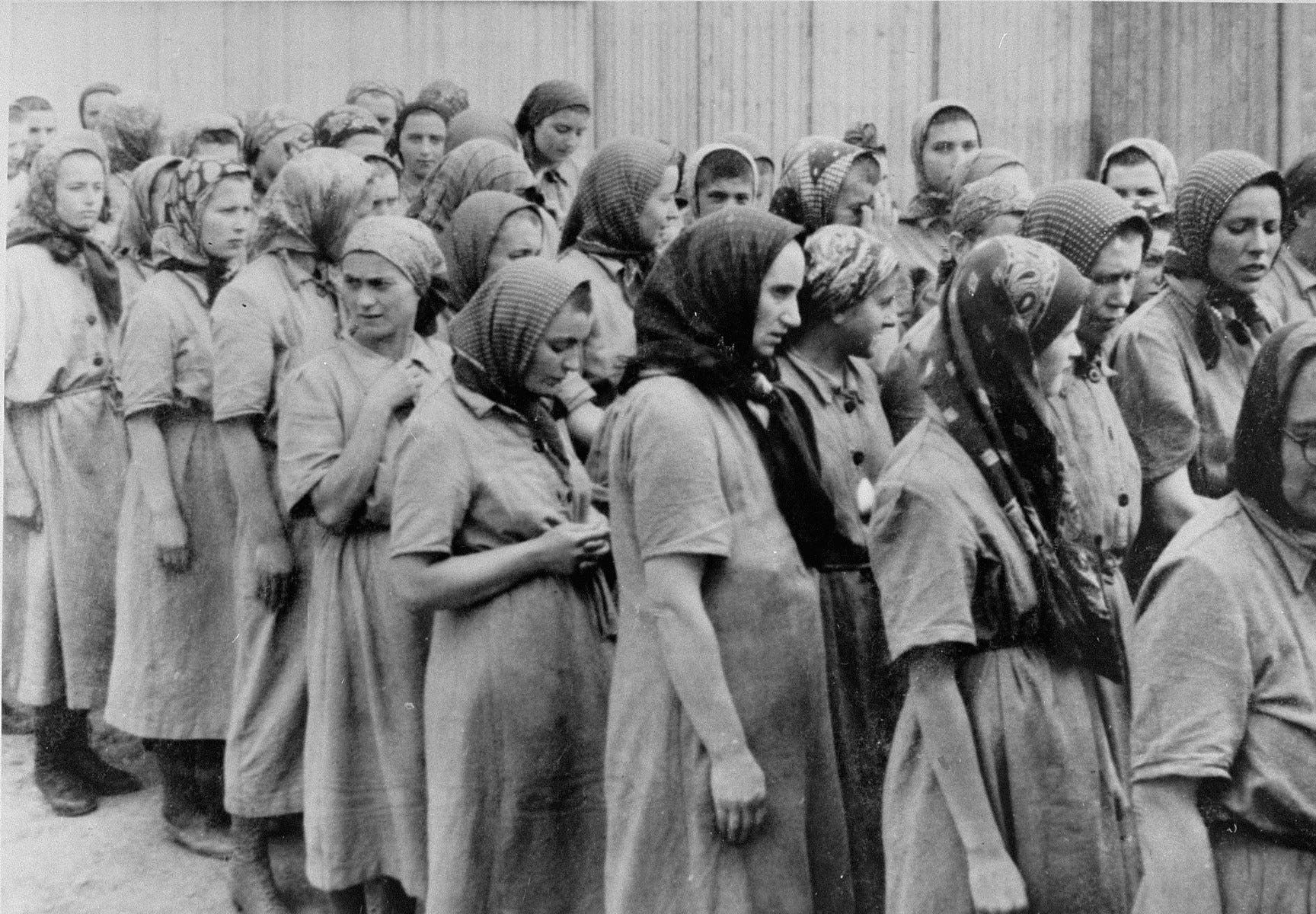
In France, Magda Hellinger, a Jewish woman imprisoned at Auschwitz, quietly manipulated Nazi bureaucracy to save hundreds of lives. While her sexuality was not public at the time, later historical scholarship has acknowledged her same-sex relationship. Her heroism was not loud or theatrical. It was strategic, relentless, and rooted in moral clarity under unimaginable conditions.
There are also moments of immediate physical bravery. During the 2015 Paris attacks, a gay bartender at the Bataclan concert hall helped hide patrons and guide people to safety under active gunfire. His name never became a headline. His actions saved lives. Many such stories remain untold because LGBTQ+ heroism is rarely sought out by those who shape dominant narratives.
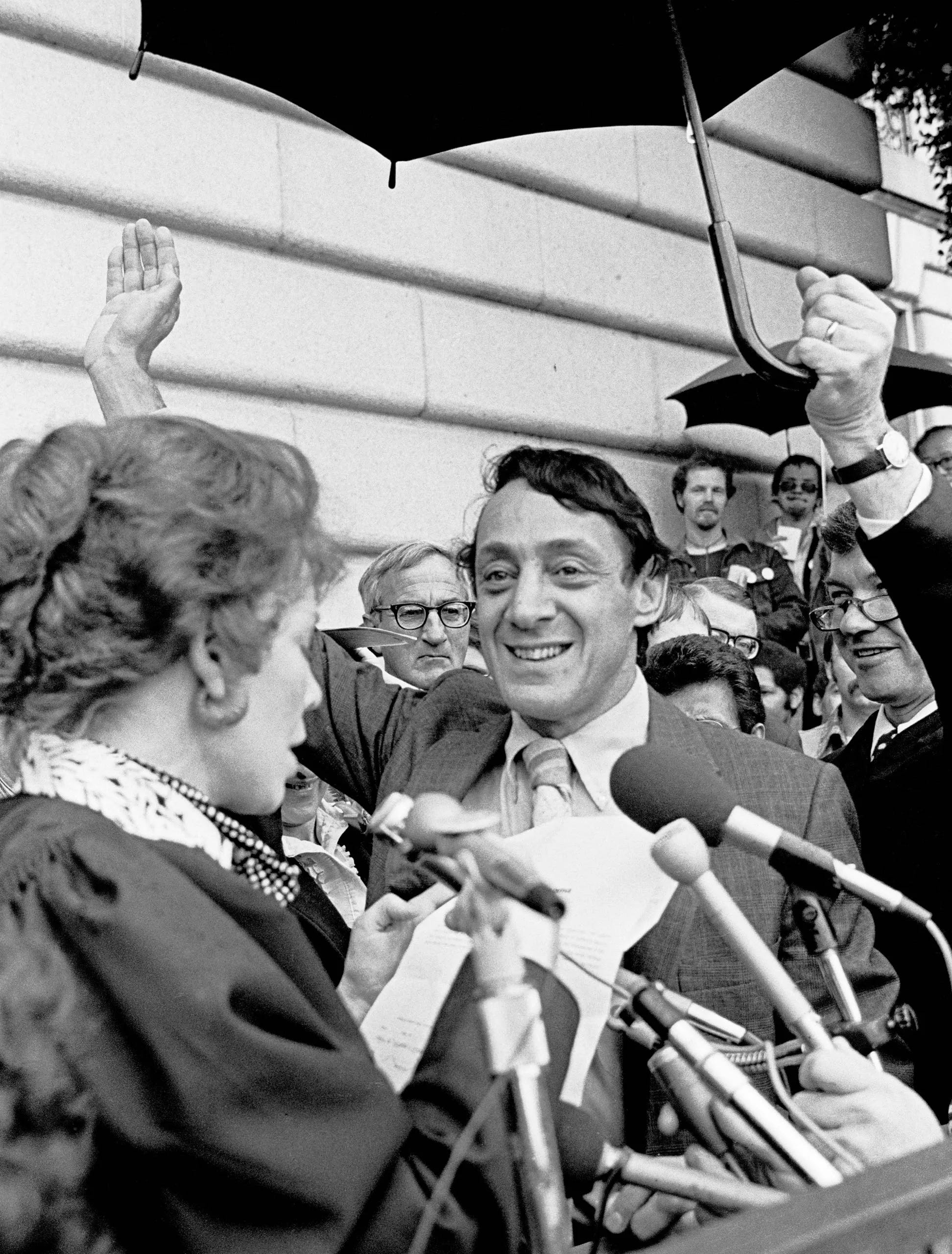
Cultural courage matters too. Harvey Milk, one of the first openly gay elected officials in the United States, knew that visibility carried mortal risk. He chose it anyway. His assassination confirmed the danger he faced, but his life demonstrated that leadership itself can be an act of protection for those who come after.
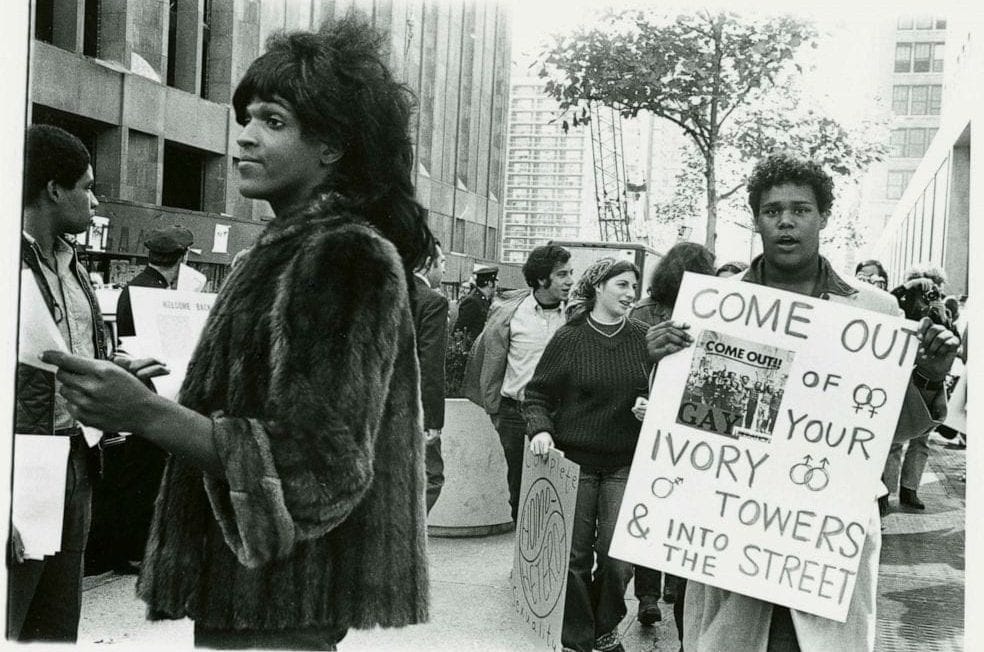
No account of LGBTQ+ courage is complete without Marsha P. Johnson, a Black transgender woman whose bravery helped ignite the modern LGBTQ+ rights movement. At the Stonewall uprising in 1969, when police raids and brutality were routine and dangerous, Marsha did not retreat. She stood her ground. In an era when being openly trans meant constant risk of arrest, violence, and erasure, she became a visible force of resistance. Beyond Stonewall, Marsha co-founded STAR, Street Transvestite Action Revolutionaries, providing housing and support for homeless queer and trans youth when no institutions would. Her heroism was not confined to one night. It was sustained, selfless, and rooted in radical compassion. Marsha P. Johnson did not seek permission to exist, to resist, or to care for others. She simply did what history demanded.
Bayard Rustin, an openly gay Black man, served as the chief architect of the 1963 March on Washington. Because of his sexuality, he was deliberately kept out of the spotlight. Yet his strategic brilliance shaped one of the most consequential moments in American civil rights history. Rustin understood that heroism does not always look like defiance. Sometimes it looks like discipline, patience, and choosing the mission over personal recognition.
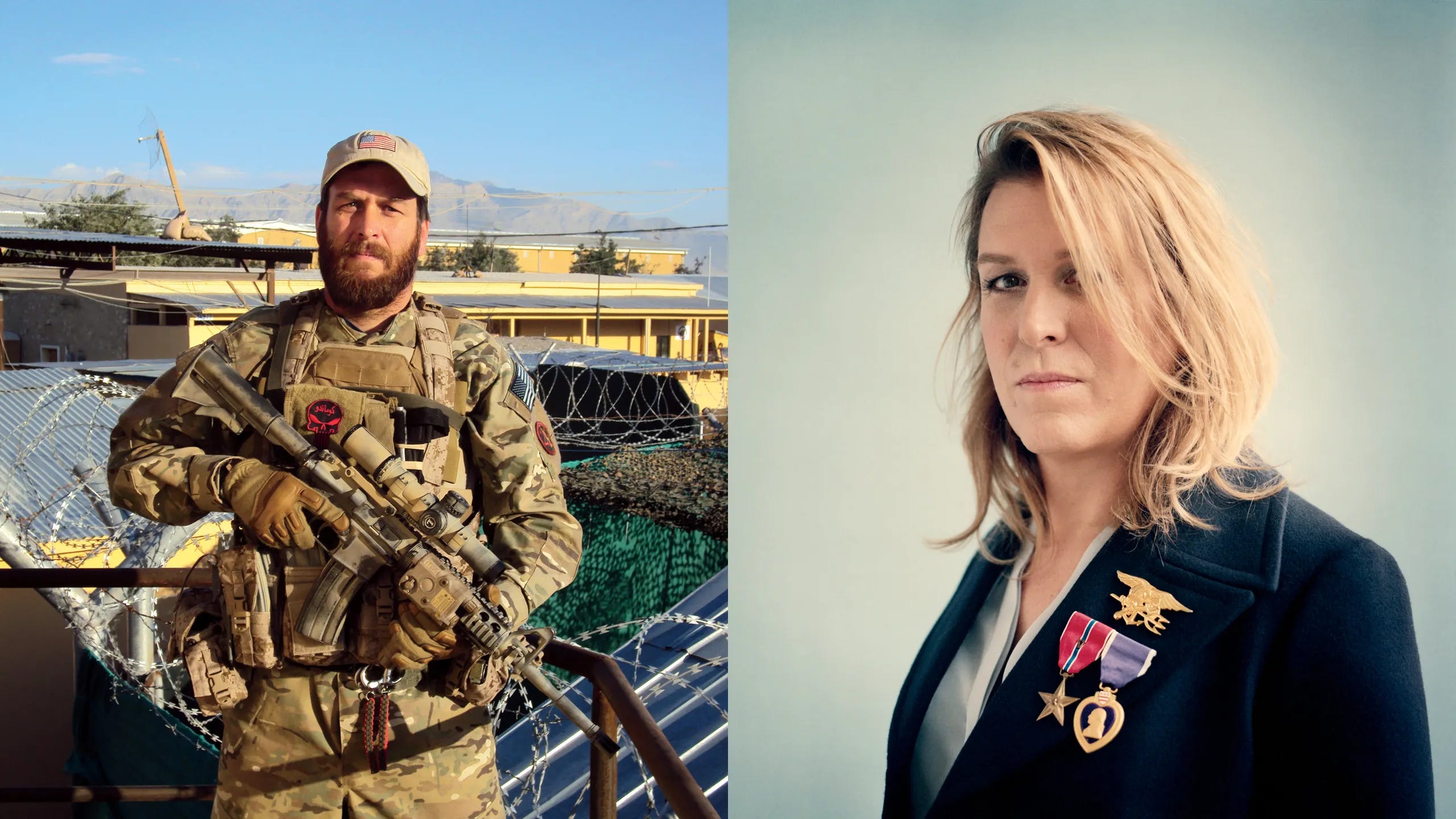
Transgender heroism is too often erased altogether. Kristen Beck, a former U.S. Navy SEAL who later came out as transgender, served 20 years in elite military units, including multiple combat deployments. Her record alone disproves the manufactured narrative that trans people lack strength or commitment. Her later advocacy required a different kind of bravery, facing ridicule and political hostility with dignity and resolve.
Even in everyday life, LGBTQ+ people routinely act with quiet courage. The gay teacher who shields students during a lockdown. The trans woman who administers CPR after a shooting while others freeze. The lesbian parent who intervenes in a violent confrontation to protect a stranger. These acts are rarely framed as heroism because society is still uncomfortable seeing LGBTQ+ people as protectors rather than problems.
That discomfort is not accidental. It is the result of decades of cultural conditioning that frames LGBTQ+ identity as something to fear, debate, or suppress. Yet when danger appears, those same individuals repeatedly show up.
Heroism does not require permission from society. It requires conscience.
The truth is simple and inconvenient for those invested in stereotypes. LGBTQ+ people are not inherently brave because of who they are. They are brave because, like anyone else, they choose to be. The difference is that they often do so while carrying the added weight of stigma, discrimination, and erasure.
If we are serious about building safer, more honest societies, we must stop pretending that courage fits a narrow mold. We must stop excluding entire communities from our understanding of moral strength. And we must start telling the full story.
Because history is clear.
LGBTQ+ people have always been here.
They have always been part of the fight.
And they have always been among the ones who stood up when it mattered most.