



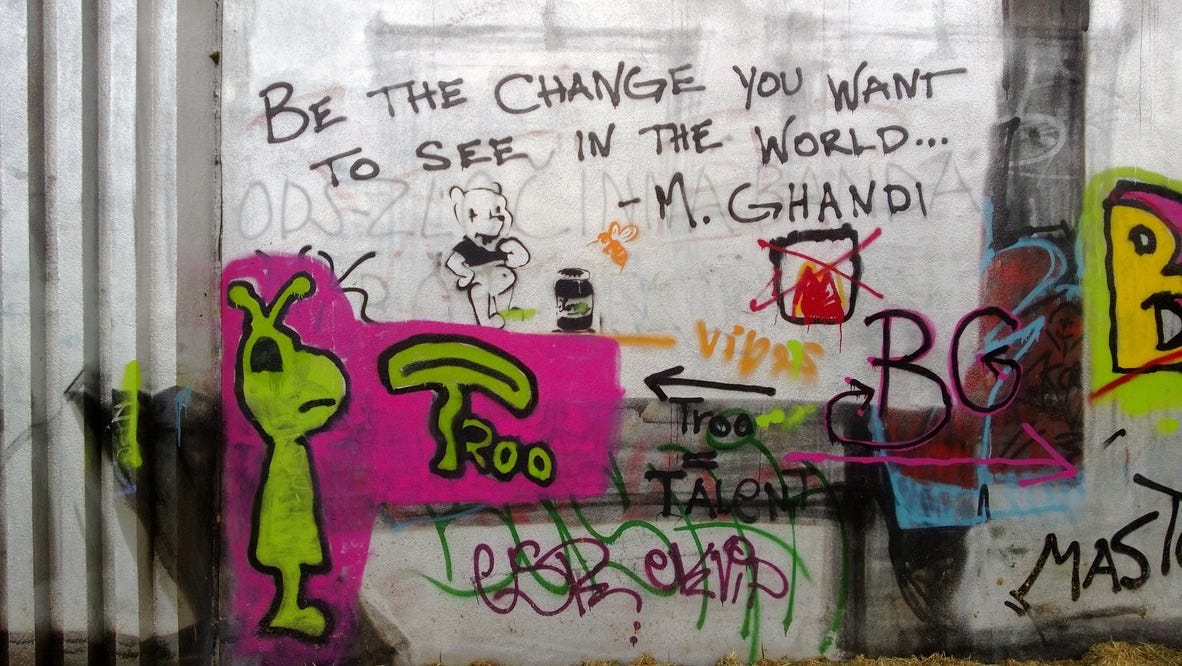
By J. H. Irwin
Author | Storyteller | Capturing Life, Memory, and Meaning
One of the unexpected pleasures of travel is discovering the things you never set out to see
We plan our journeys around famous landmarks, museums, historic sites, restaurants, and attractions. We create itineraries, make reservations, and check destinations off our lists. Yet some of the memories that stay with us longest are the moments that happen in between.
A quiet street.
A hidden courtyard.
An unexpected conversation.
Or a splash of color on an otherwise ordinary wall.
Over the years, I have found myself increasingly drawn to graffiti and street art. Not because I went looking for it, but because it kept finding me. As I traveled from city to city, I began noticing murals, painted walls, and artistic expressions tucked into places many people walked past without a second glance.
The photographs accompanying this article were all taken by me during my travels. Together, they represent a collection of moments when an ordinary wall became something worth stopping for.
The Canvas Nobody Asked For
Graffiti is one of the world’s most misunderstood art forms.
To some, it represents vandalism. To others, it represents artistic freedom. The truth, as with many things, often depends on where you stand and what you see.
What fascinates me most is graffiti’s ability to transform everyday spaces into places of discovery.
Unlike artwork displayed inside museums and galleries, graffiti exists where life happens. It lives along sidewalks, beneath bridges, beside train tracks, on alley walls, and throughout neighborhoods where people work, shop, gather, and raise families. It is woven directly into the fabric of everyday life.
Perhaps that is what makes graffiti so memorable. It appears where we least expect it, transforming ordinary surroundings into something worth stopping for. A wall becomes more than a wall, a neighborhood reveals a piece of its identity, and a simple walk through a city can leave a lasting impression long after the details of the day have faded.
In many ways, graffiti brings art directly to the people rather than asking people to come to the art.
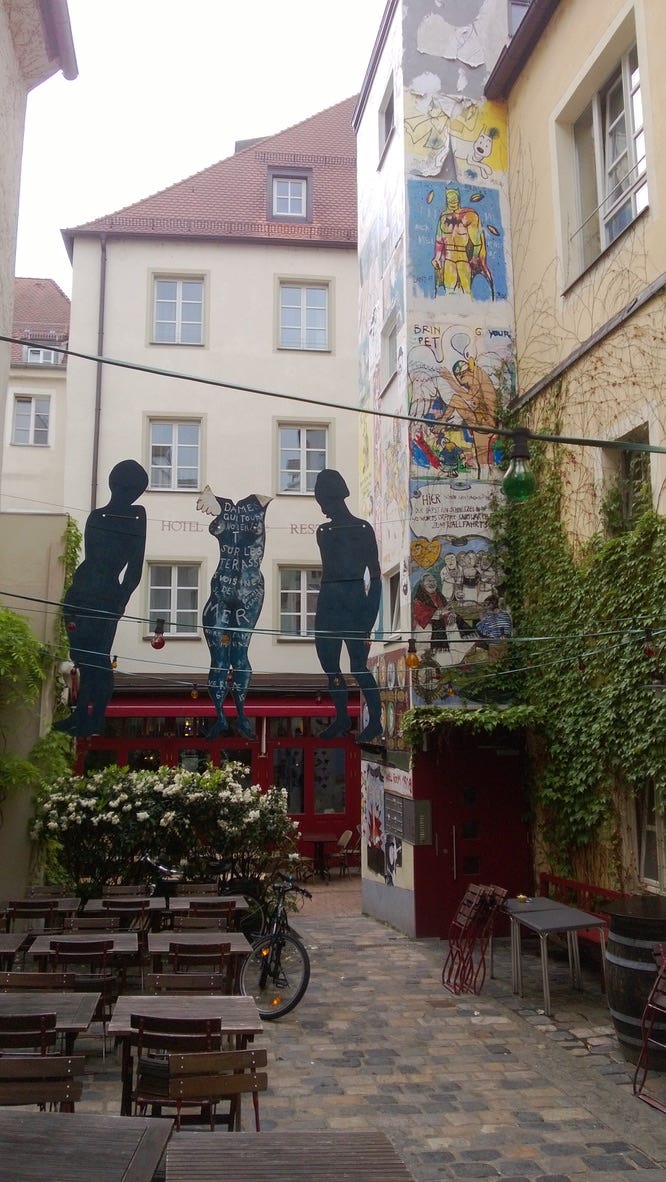
Regensburg, Germany
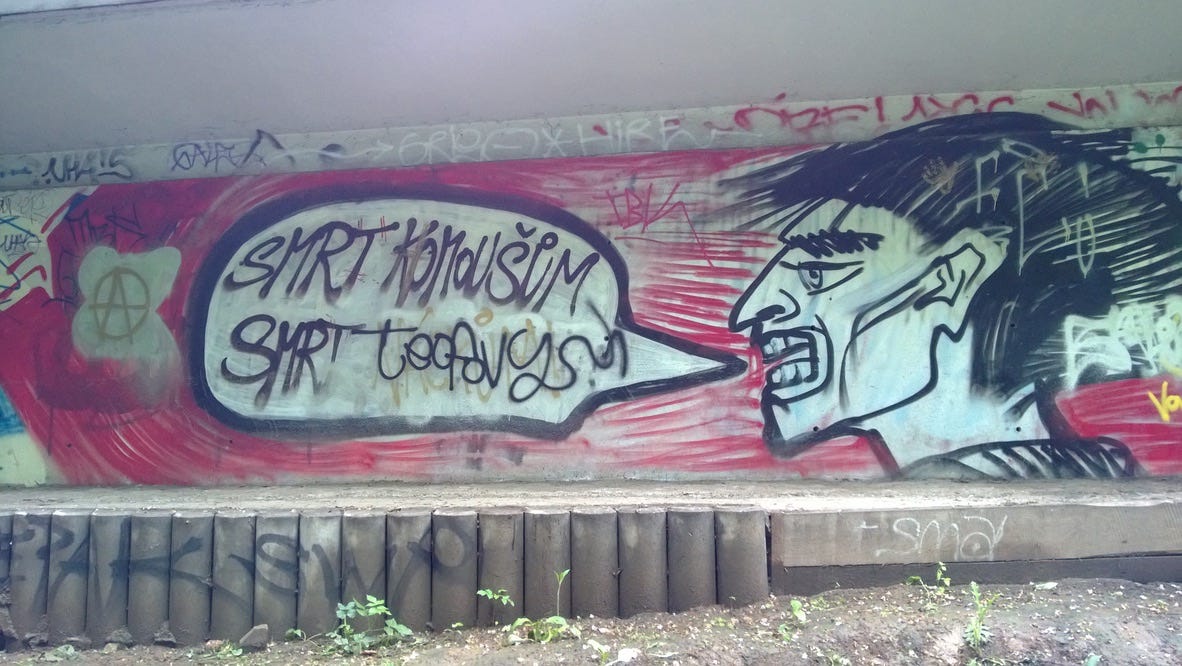
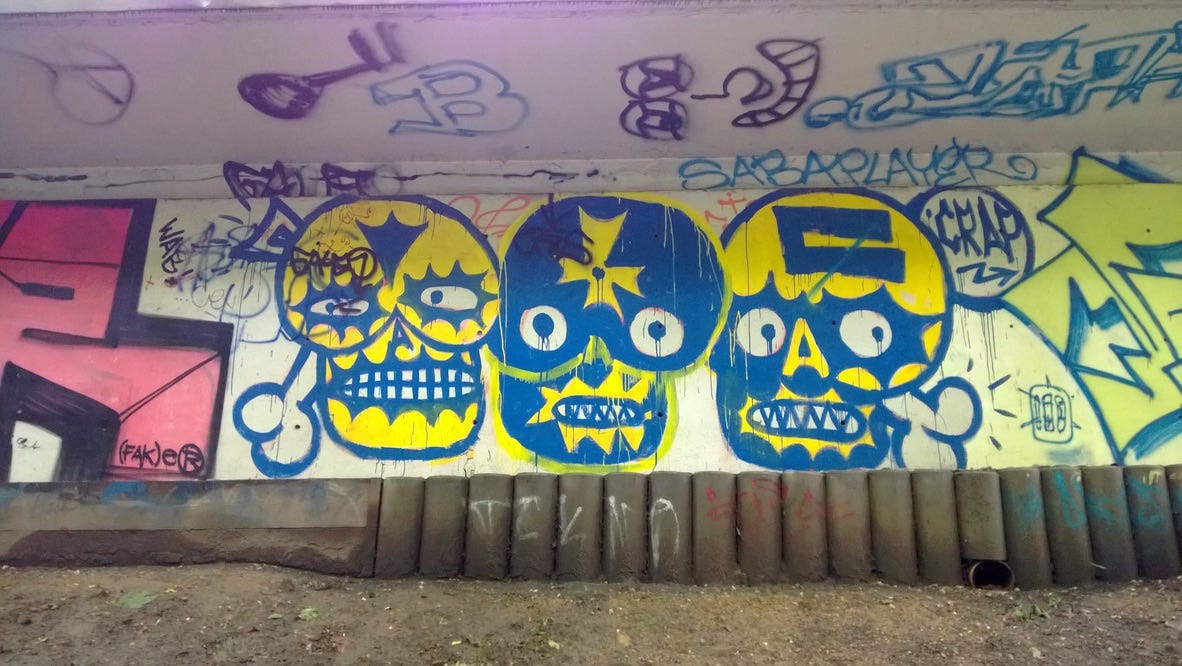
Prague, Czechia
A Language Spoken Around the World
One of the remarkable things about graffiti is that it exists almost everywhere, yet it rarely looks the same from one place to another.
From the colorful streets of Prague to the vibrant murals of São Paulo, from the politically charged artwork of Belfast to the ever-changing street art scene of New York City, walls often tell stories that traditional history books overlook.
Every city develops its own visual language.
Some artists celebrate local culture and heritage. Others challenge authority, explore social issues, memorialize important events, or simply seek to bring color and beauty to neglected spaces. The artwork often reflects the hopes, struggles, humor, and identity of the communities that surround it.
Long before you speak with the people who live in a place, the art can tell you something about who they are.
It can reveal pride, resilience, frustration, joy, remembrance, or hope. It becomes a visual conversation between the artist, the community, and anyone willing to pause long enough to look.
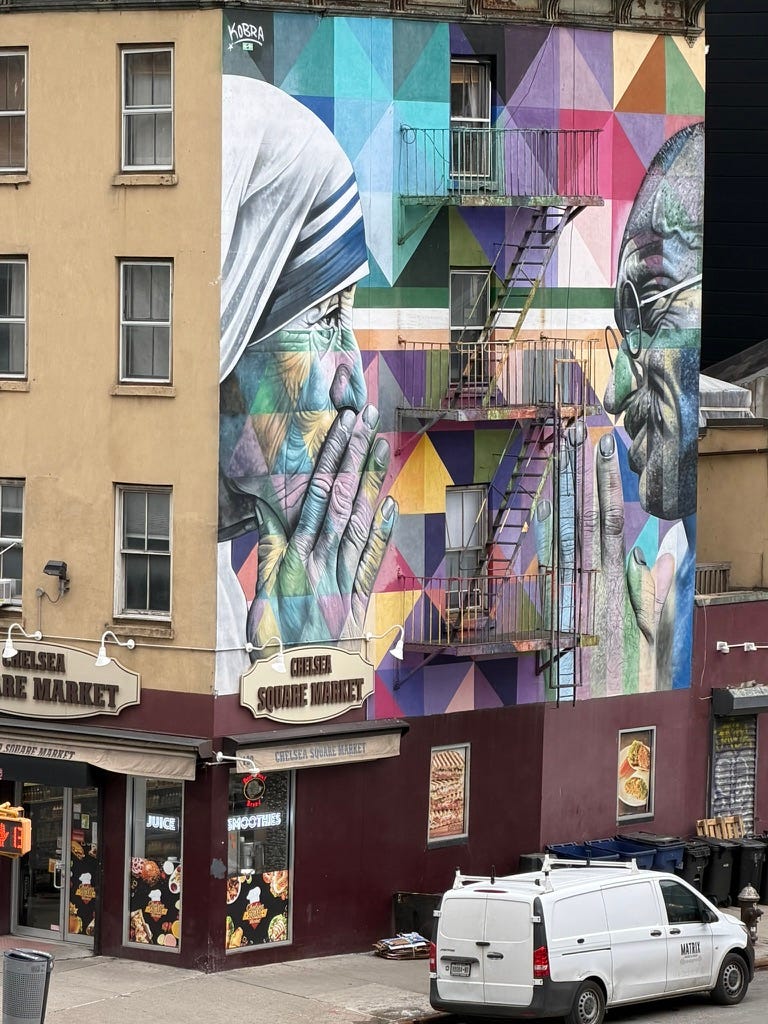
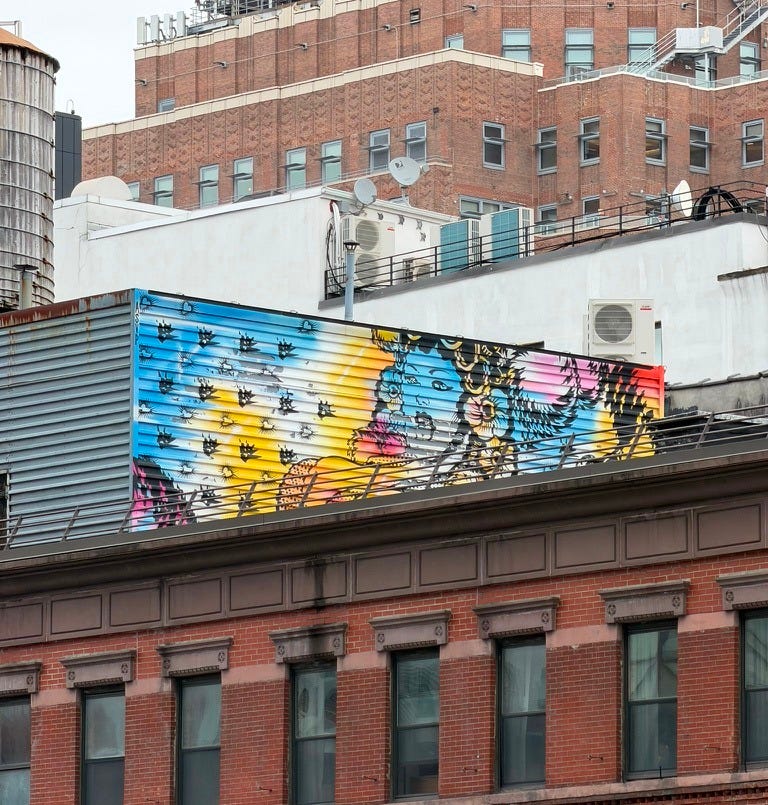
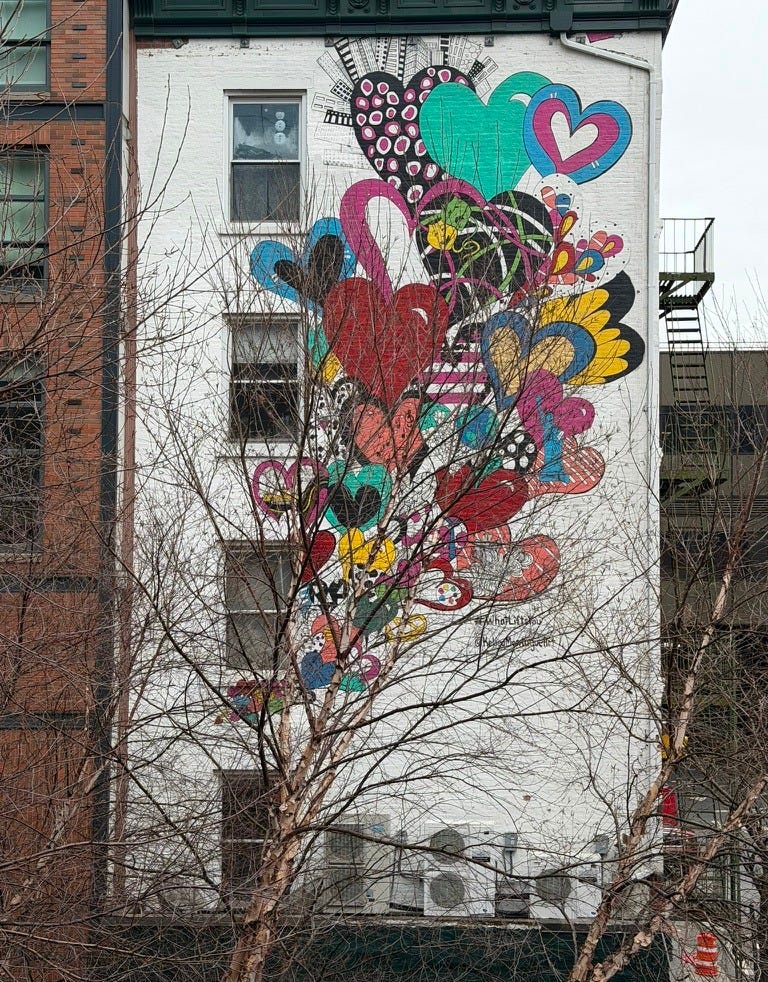
New York City
More Than Paint
At its best, graffiti serves many purposes beyond decoration.
It can create identity, transforming a blank wall into a neighborhood landmark and a source of community pride.
It can preserve history, commemorating people, events, and cultural traditions that might otherwise fade from memory.
It can spark conversation, encouraging people to think differently about social issues, politics, inequality, or the changing nature of their communities.
It can inspire creativity, particularly among younger generations who see firsthand that artistic expression is not limited to classrooms, museums, or expensive materials.
Perhaps most importantly, graffiti reminds us that creativity belongs to everyone. The desire to create, communicate, and leave a mark on the world is not reserved for professional artists. It is part of being human.
The Beauty of Impermanence
One of the most fascinating aspects of graffiti is its temporary nature.
Unlike paintings carefully preserved in climate-controlled museums, street art exists at the mercy of weather, redevelopment, and time itself. A mural may survive for decades, or it may disappear overnight beneath fresh paint, construction projects, or the demolition of the wall that carried it.
There is something deeply human about that reality.
The artist understands the work may not last forever and creates it anyway.
In many respects, that mirrors life itself. We build relationships, tell stories, create memories, and leave pieces of ourselves behind despite knowing that nothing remains unchanged forever. The value of those experiences does not come from their permanence. It comes from the fact that they existed at all.
Finding Beauty in Unexpected Places
As I reviewed the photographs for this article, I realized that many of them had something in common. I could not always remember the exact street where I took them. Sometimes I could not remember the name of the building nearby or what restaurant I visited later that day.
But I remembered the artwork.
I remembered turning a corner and being surprised by a massive mural stretching across an entire building. I remembered colorful illustrations hidden beneath railway arches. I remembered walls that seemed to tell stories about the communities surrounding them.
The images featured here were captured in different places and at different times, yet together they reveal something universal. Human beings have an extraordinary desire to create, communicate, and leave their mark on the world. Whether through paint, words, music, photography, or storytelling, we are constantly sharing pieces of ourselves with others.
That may be the true beauty of graffiti.
It transforms everyday spaces into conversations.
It invites strangers to pause.
It encourages us to notice.
And it reminds us that art is often hiding in plain sight.
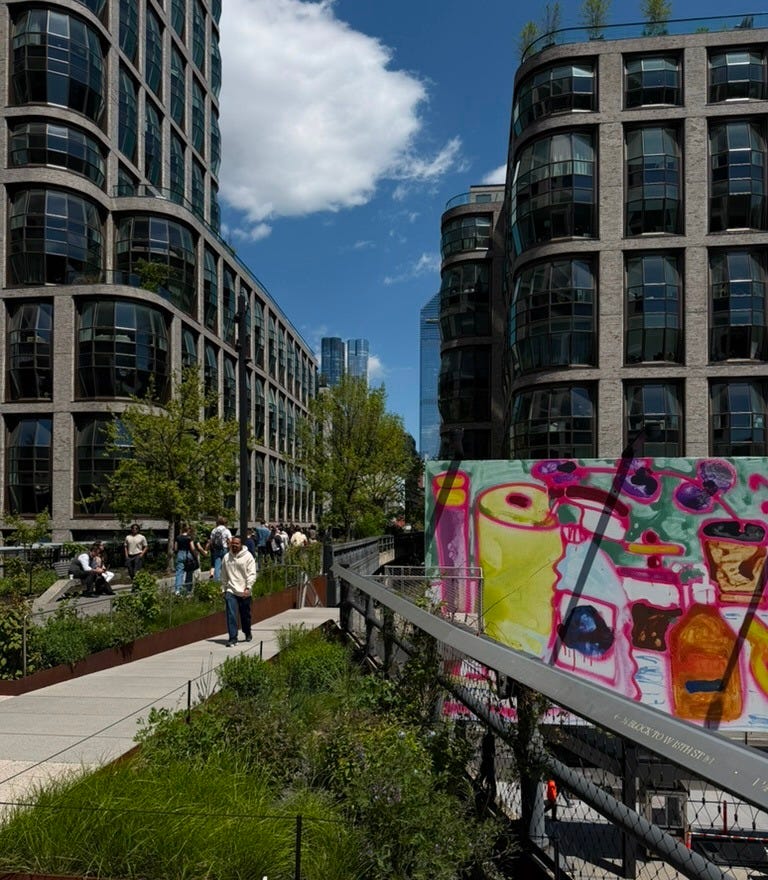
The High Line, New York City
A Final Thought
The next time you travel, look beyond the landmarks.
Pay attention to the spaces between destinations. Look down side streets. Notice the walls. Slow your pace just enough to see what others may miss.
You might discover a mural that tells the story of a neighborhood. You might encounter a piece of art that makes you smile, think, or remember.
And you might find, as I have, that some of the most memorable moments of travel are not found in guidebooks at all.
They are painted on the walls around us, waiting to be noticed.
Words can still move the world. Read mine → https://substack.com/@jhirwin
#JHIrwin #JHIrwinMultimedia #StillHuman #TheBeautyOfEverydayThings #TravelPhotography #GraffitiArt #StreetArt #UrbanArt #PublicArt #TravelStories #Creativity #VisualStorytelling #ArtEverywhere