



By J. H. Irwin
Author | Storyteller | Exploring the Human Experience Through Words
This article reflects on identity, empathy, and the quiet labor of becoming. It explores how early awareness, survival, and imagination shaped not only who I am, but how and why I write.
The Life I Might Have Lived
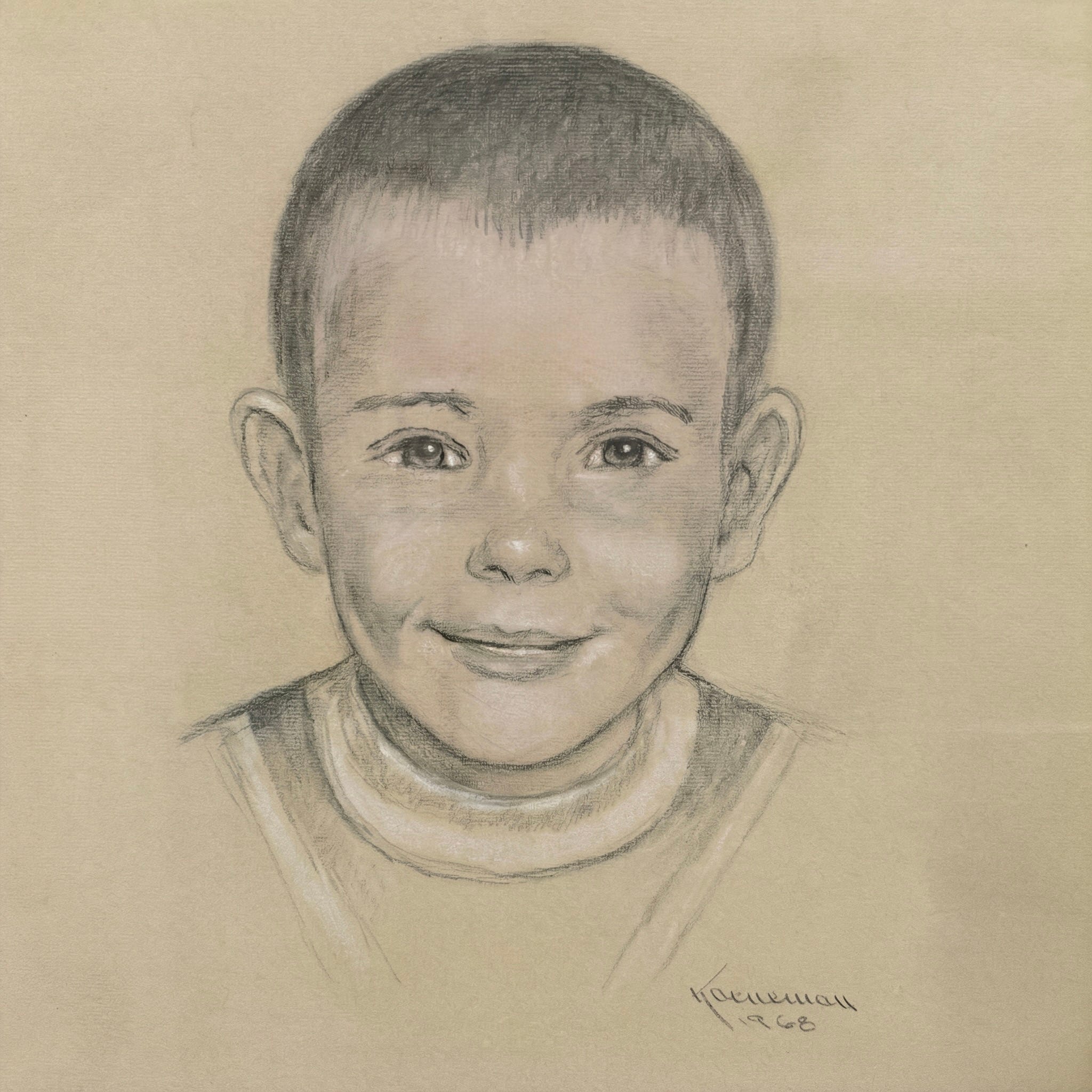
I have photographs of myself at seven years old.
In them, I look content. A careful smile. A child who appears settled in the world, exactly where he belongs. It is the kind of image people trust. The kind that reassures adults that childhood is simple, that innocence is intact.
But even then, I knew something.
Not in words. Not in labels. Just a quiet, steady awareness that something about me existed slightly apart from the expectations surrounding me. I could not have explained it. I only felt it, the way you sense a shift in air before the weather changes.
As I grew, that awareness followed me. The world revealed its preferences, its boundaries, its comfort zones. I learned early what was encouraged and what was quietly discouraged. I learned which parts of myself could be shared and which needed to remain unspoken.
There was no single defining moment. It was cumulative. A tone of voice. A joke framed as harmless. A word used casually that carried more weight than anyone intended. Each one landed softly but persistently, shaping how I learned to move through the world.
When the subject of being gay appeared in conversation or on television, my body responded before my thoughts did. I became still. I learned how to disappear without leaving the room. Around me, people laughed or minimized it or turned it into something abstract. Inside me, something tightened.
Before I knew who I was, I learned which versions of myself were unwelcome.
So I split myself.
One version of me learned how to fit in. How to blend. How to be acceptable. That version became efficient, careful, dependable. The other version stayed private, holding the questions, the longing, the fear that something essential about me might be unacceptable if fully seen.
Living this way creates a particular kind of loneliness. Not the absence of people, but the absence of ease. A constant self awareness. A vigilance that never fully rests. You learn to read rooms quickly. To sense shifts in mood. To notice what others miss, because noticing feels safer than being noticed.
That habit never really leaves you.
Over time, it became something else. Empathy.
When you spend years monitoring yourself, you become attuned to others. You recognize discomfort before it is spoken. You sense pain beneath humor. You understand what it means to carry something quietly. That sensitivity, once born of survival, slowly transformed into compassion.
To endure, I turned inward.
I spent long stretches alone, not from sadness, but from relief. In imagination, I could exist without permission. I could build inner worlds where no part of me required explanation. Creativity became rest. A place where I did not have to perform.
I did not know it then, but that inner life was preparing me.
When I came out at twenty two, it felt like alignment. Like stepping into focus after years of blur. I believed that once the truth was spoken, the struggle would finally end.
It did not.
Coming out does not erase what came before it. It does not undo the years of self monitoring or the habits of concealment. Depression, which had quietly threaded itself through much of my life, remained. Some days distant. Some days heavy. Always familiar.
And somewhere along the way, a question surfaced.
What if I had been straight.
Not as longing. Not as denial. But as curiosity. Who would I be today if I had never had to process being gay. If I had never had to analyze my every reaction. If attraction had not come with risk. If belonging had not required strategy.
What energy might have gone elsewhere. What confidence might have arrived sooner. What ease might have replaced vigilance.
It is an unanswerable question. But it is not an unreasonable one.
Because being gay is not only about who you love. It is about what you are forced to understand early. About developing self awareness before you are ready. About carrying complexity while others are still allowed simplicity.
And yet, I do not wish that part of my life away.
Because everything I am today grew from it.
My empathy. My creativity. My ability to sit with uncomfortable truths. My instinct to listen closely. My writing.
Writing is not separate from who I was or who I am. It is an extension of it. It is how I make sense of the inner world I built to survive. It is how I offer language to feelings others may not yet have words for. Every story, every reflection, every quiet observation carries the imprint of that child who learned early how to watch, how to feel, how to endure.
When I look back at that seven year old now, I do not see confusion or fragility. I see awareness. Adaptation. A child who recognized that the world was not yet safe and found ways to endure without losing his inner life.
That matters.
Because many of us carry alternate selves quietly. Versions of who we might have been if the world had been easier. Kinder. More forgiving. But those imagined lives do not invalidate the one we lived.
They remind us of the work it took to become who we are.
And for me, that work became my voice.