


By J. H. Irwin
Author | Storyteller | Exploring the Human Experience Through Words
I grew up on Lake Erie and witnessed this phenomenon as a child. Every once in a while, nature does something theatrical enough to stop us mid-scroll. This week, Lake Erie did exactly that. What looked like disappearance was actually revelation.
When Lake Erie Took a Step Back
For a few surreal days, the western shores of Lake Erie looked less like a lake and more like a confession.
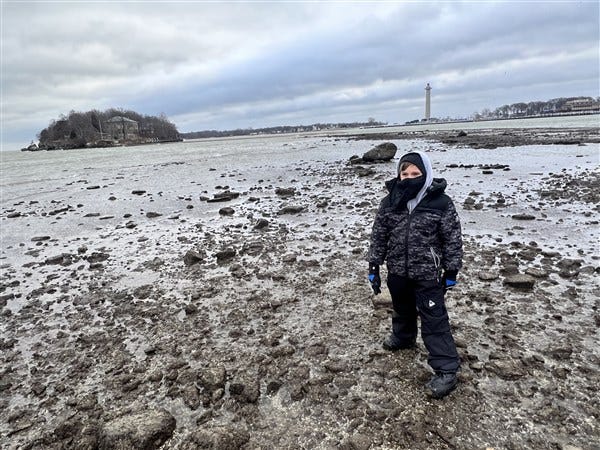
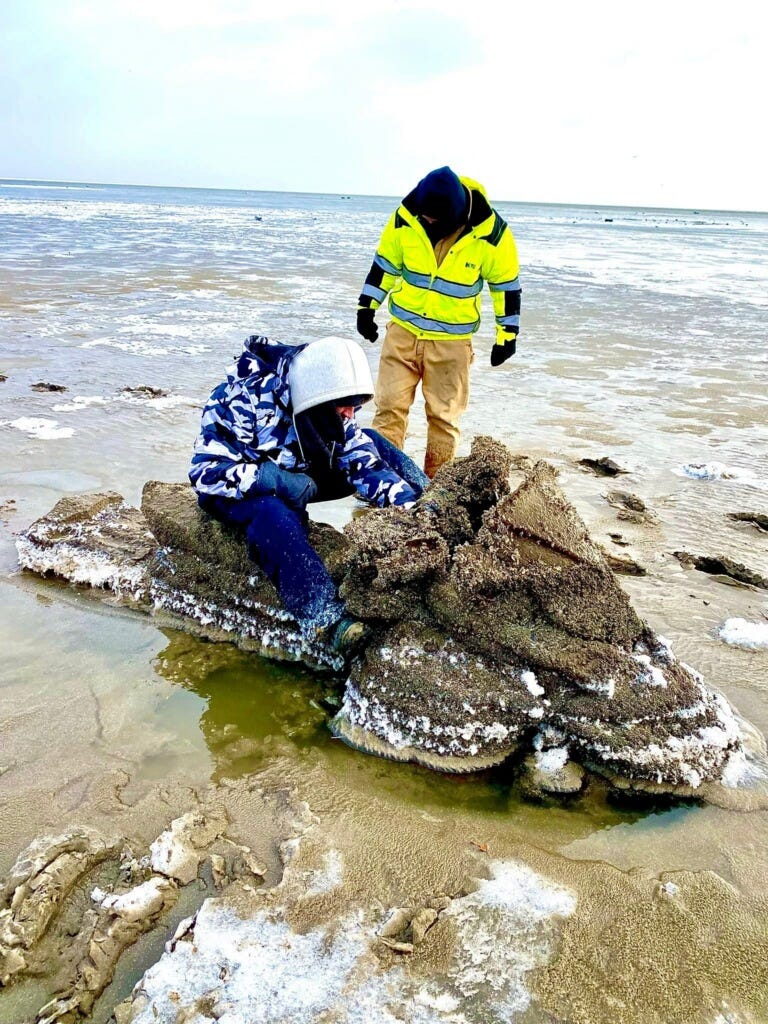
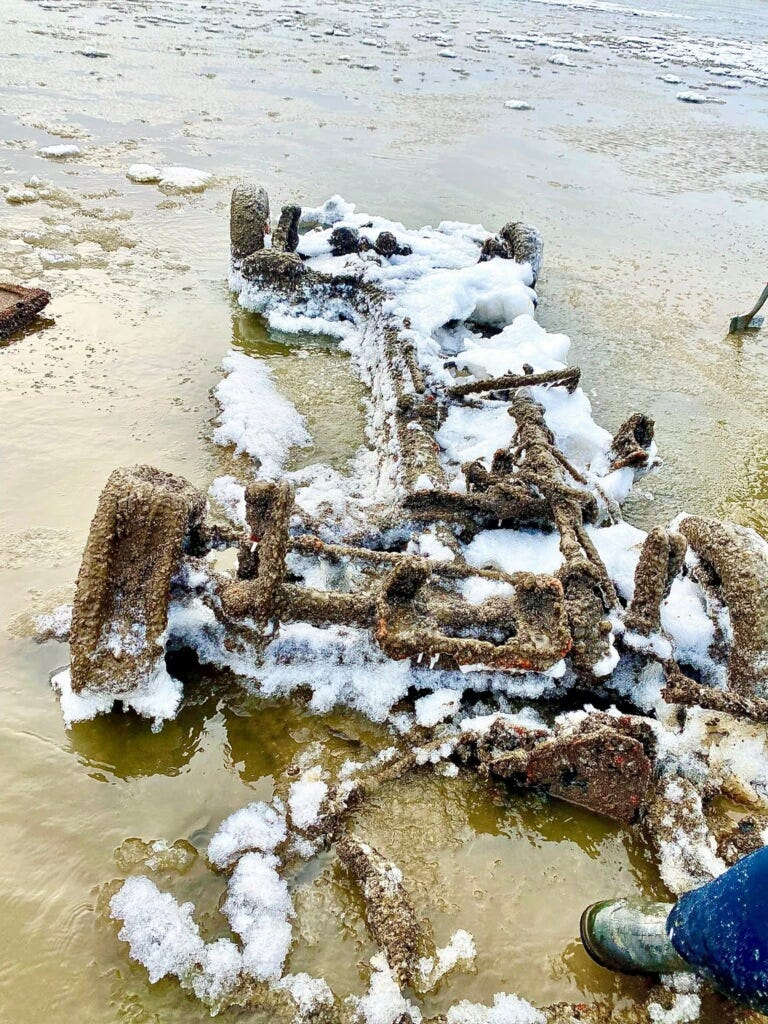
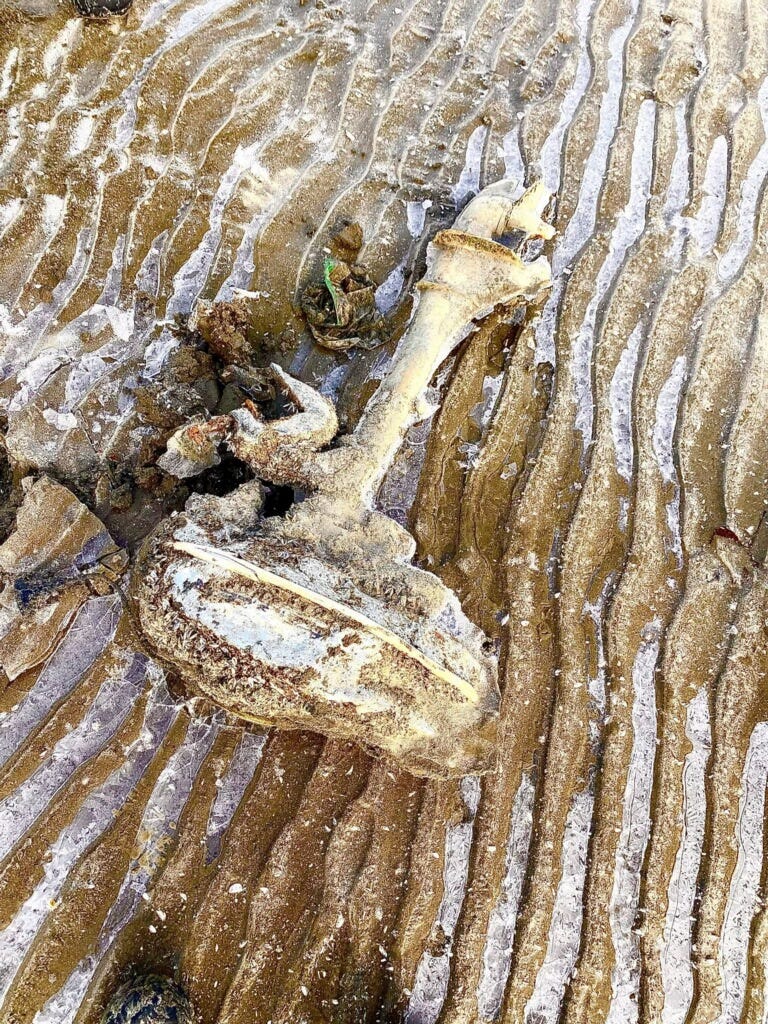
Water pulled away from shorelines near Toledo, along Michigan and Ohio’s western basin, revealing mudflats, skeletal docks, and the kind of artifacts that usually stay buried in silence. Sunken cars. Boats long forgotten. Even a snowmobile, as if winter itself had slipped and never gotten back up.
People asked the obvious question:
Did the lake drain?
Short answer: no.
Better answer: the lake sloshed.
The physics behind the magic trick
What happened has a name that sounds gentle but behaves dramatically: a seiche.
A seiche is a standing wave that forms in enclosed or semi-enclosed bodies of water when strong winds and rapid pressure changes shove water to one end of a lake. Think bathtub physics on a continental scale.
Lake Erie is especially good at this for three reasons:
It is long.
It is shallow, particularly in the west.
It aligns almost perfectly with prevailing storm winds.
Meteorologists at NOAA have documented Lake Erie seiches for decades. Under the right conditions, the lake does not just ripple. It relocates.
Where the water actually went
It did not vanish. It traveled east.
Powerful, sustained winds from a major winter storm pushed billions of gallons of water toward the eastern end of the lake near Buffalo. While the western basin dropped by several feet, Buffalo saw the opposite problem: surging water levels, shoreline flooding, and ice piling up where it absolutely did not belong.
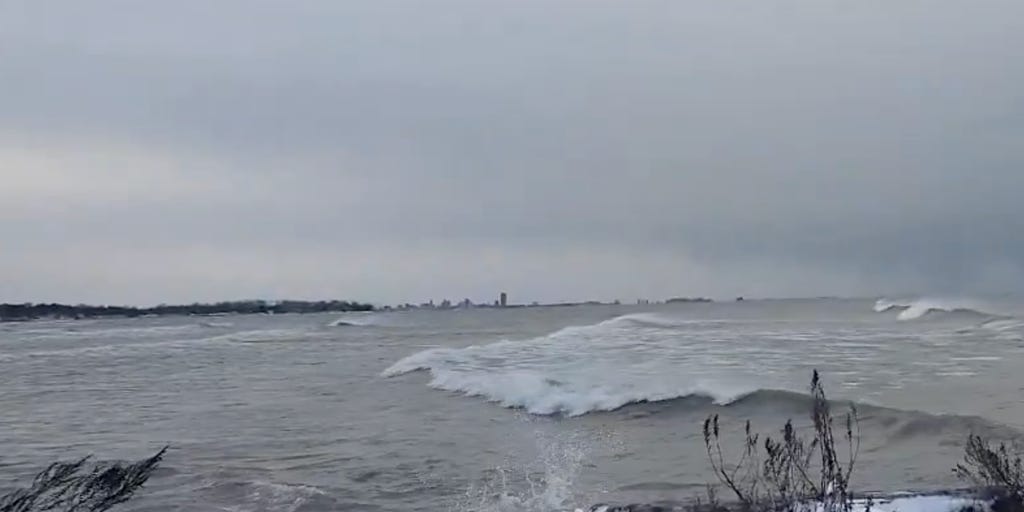
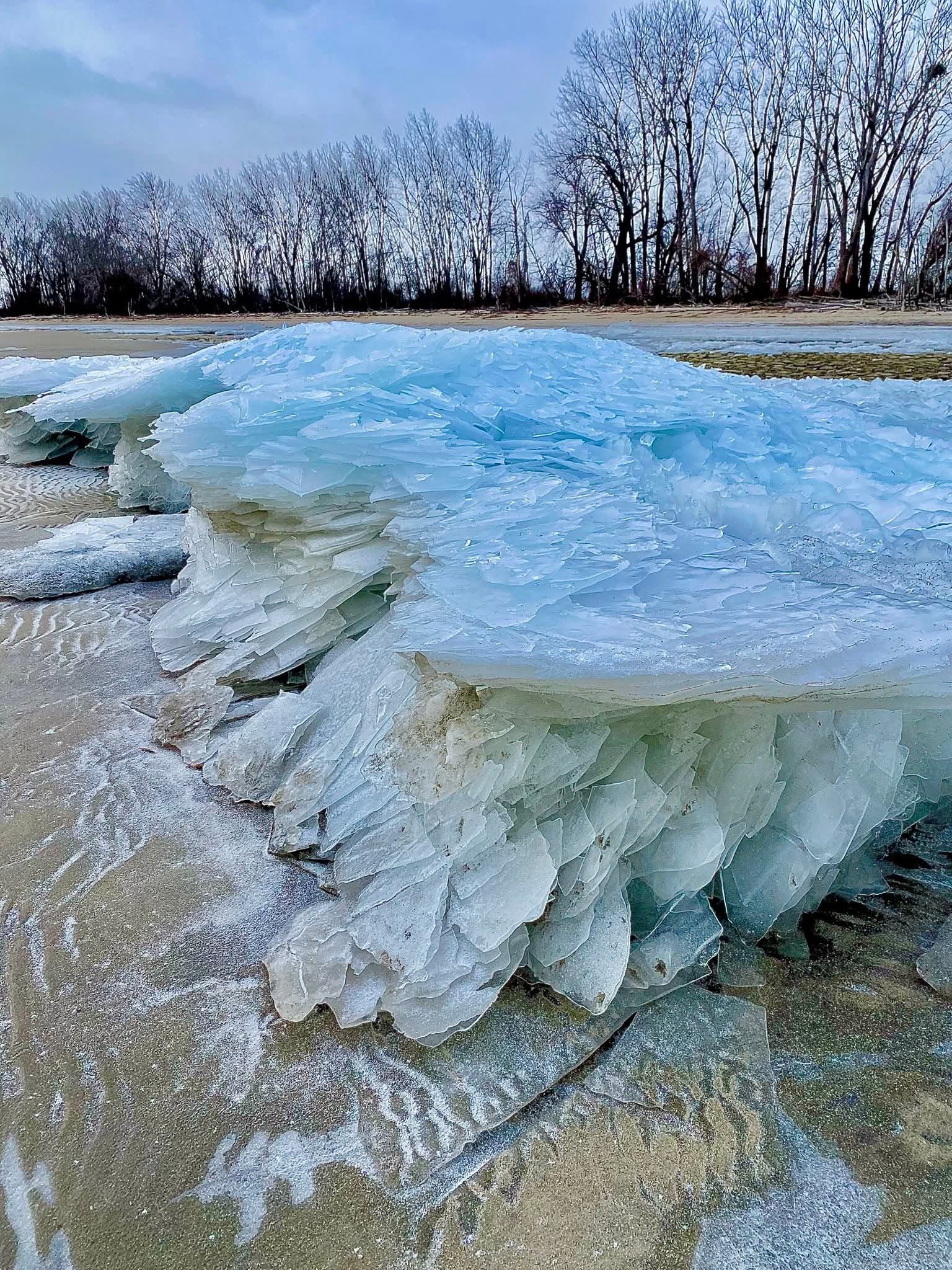
Same lake. Same water. Two completely different realities.
When the winds finally ease, the lake does not politely reset. It oscillates. Water sloshes back and forth, sometimes for hours, occasionally longer, until gravity and friction call a truce.
Why this felt so rare
Seiches are not new. They are not even unusual for Lake Erie. What made this moment feel extraordinary was how visible it became.
The western basin is shallow enough that a few feet of drop exposes acres of lakebed.
Modern cameras were everywhere.
The artifacts were unmistakably human.
Seeing a dock stump is one thing. Seeing a car resting quietly where fish normally swim is another. It collapses time. The lake stops being scenery and becomes an archive.

A lake that remembers everything
Those exposed objects were not deposited by the seiche. They were always there.
Lake Erie has absorbed decades of accidents, storms, misjudgments, and quiet losses. Boats sank. Cars slid. Snowmobiles ventured where ice promised more than it delivered. The seiche simply lifted the curtain.
Then, just as quickly, the lake reclaimed its secrets.
A brief word on safety
Events like this come with official warnings from the National Weather Service for a reason. Low water can strand boats, damage infrastructure, and reverse without much notice. Curiosity is human. Lakes are faster.
In Conclusion
Lake Erie did not empty itself. It leaned.
Driven by wind and pressure, water shifted eastward, temporarily exposing a hidden ledger of human history along the western shore. What felt like a once-in-a-lifetime disappearance was actually a reminder of something older and steadier: large bodies of water are never as still as they look.
Sometimes they move. Sometimes they reveal. And sometimes, they let us remember what we left behind.